Every quoted acoustic figure should trace back to a report you can read. This guide shows you how to review that evidence, without assuming every test result applies to every window.
Start with what you need
Write down the project criterion exactly as it was issued, including its quantity, scope, operating condition and reference. If any part is unclear, ask the person who set it before reviewing product options.
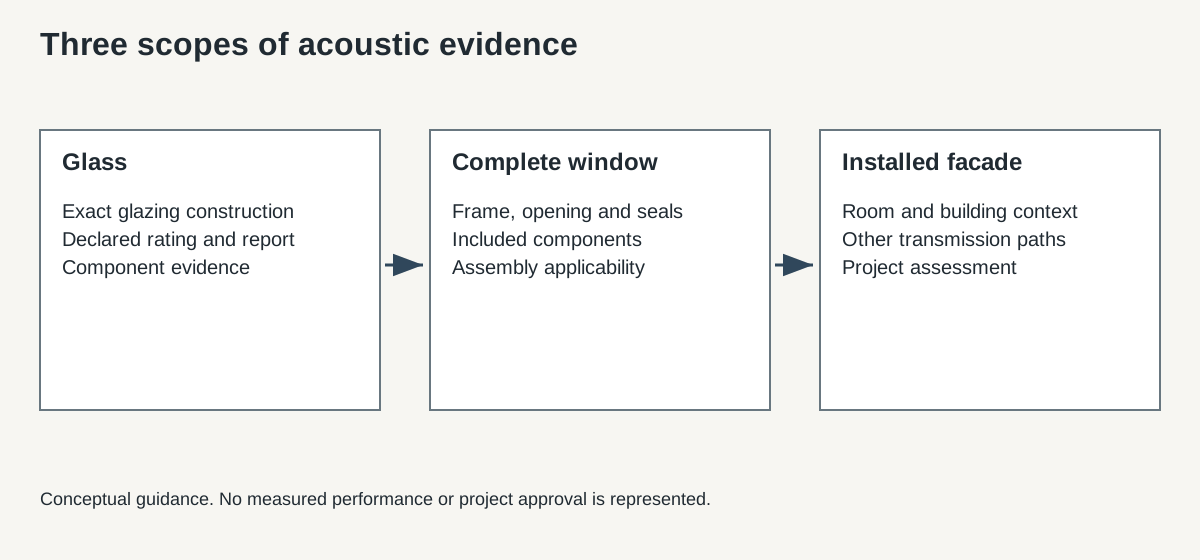
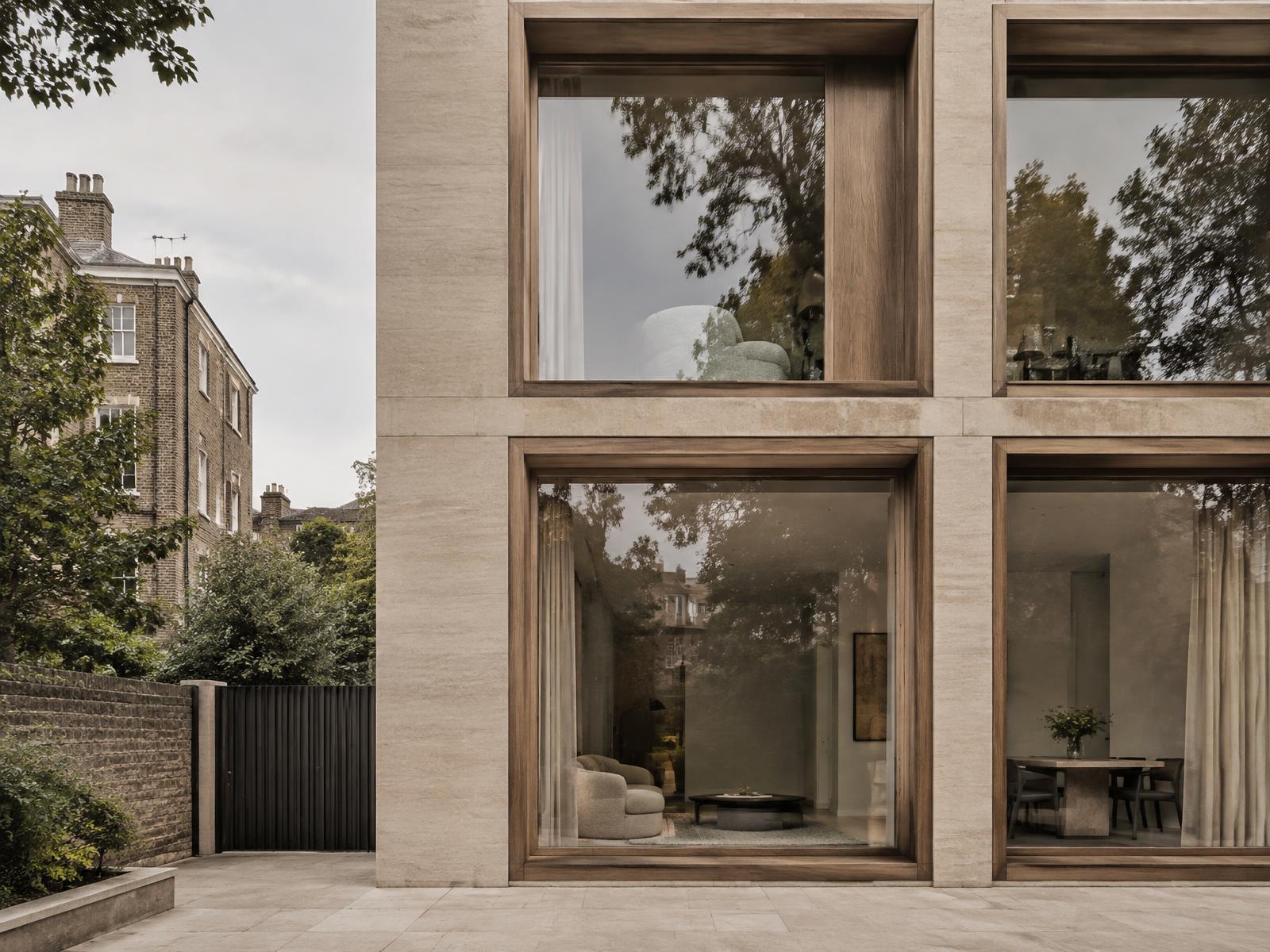
The distinction between glass, window and facade performance is particularly important here. A report for one assessment scope may not answer a requirement for another.
Know what document you have
Record the issuing organisation, report number, revision, date and the party commissioning the test. Check that the copy is complete, including construction descriptions, results, limitations and referenced appendices.
Where authenticity or completeness is uncertain, ask the supplier for confirmation from the issuing laboratory or assessor. A cropped certificate image or a sales summary can be a useful pointer, but it should not substitute for the evidence needed by the project reviewer.
Find out exactly what was tested
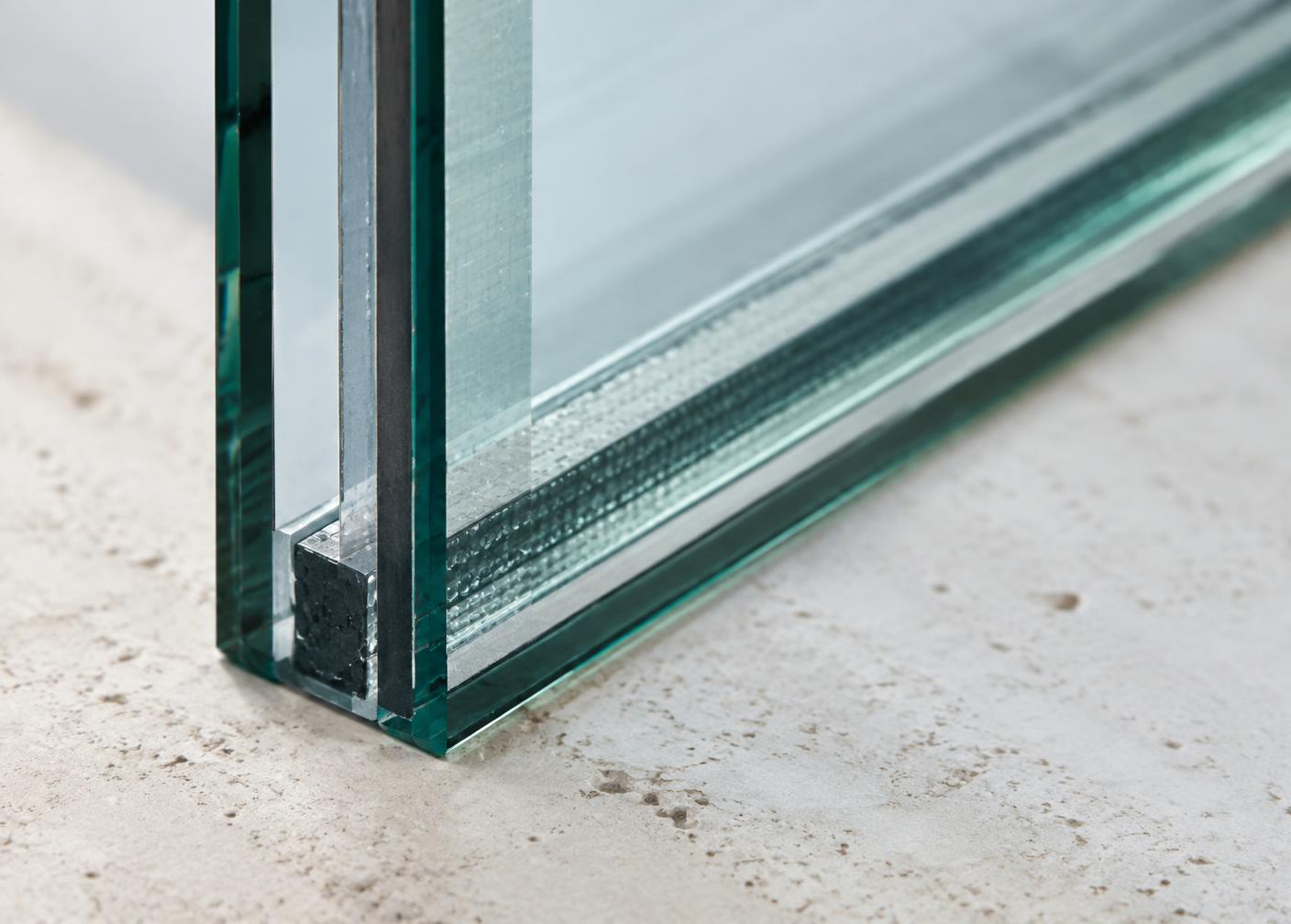
Look for the specimen dimensions, glass construction, frame, opening arrangement, seals, hardware and any ventilation components. Note the condition in which the item was tested.
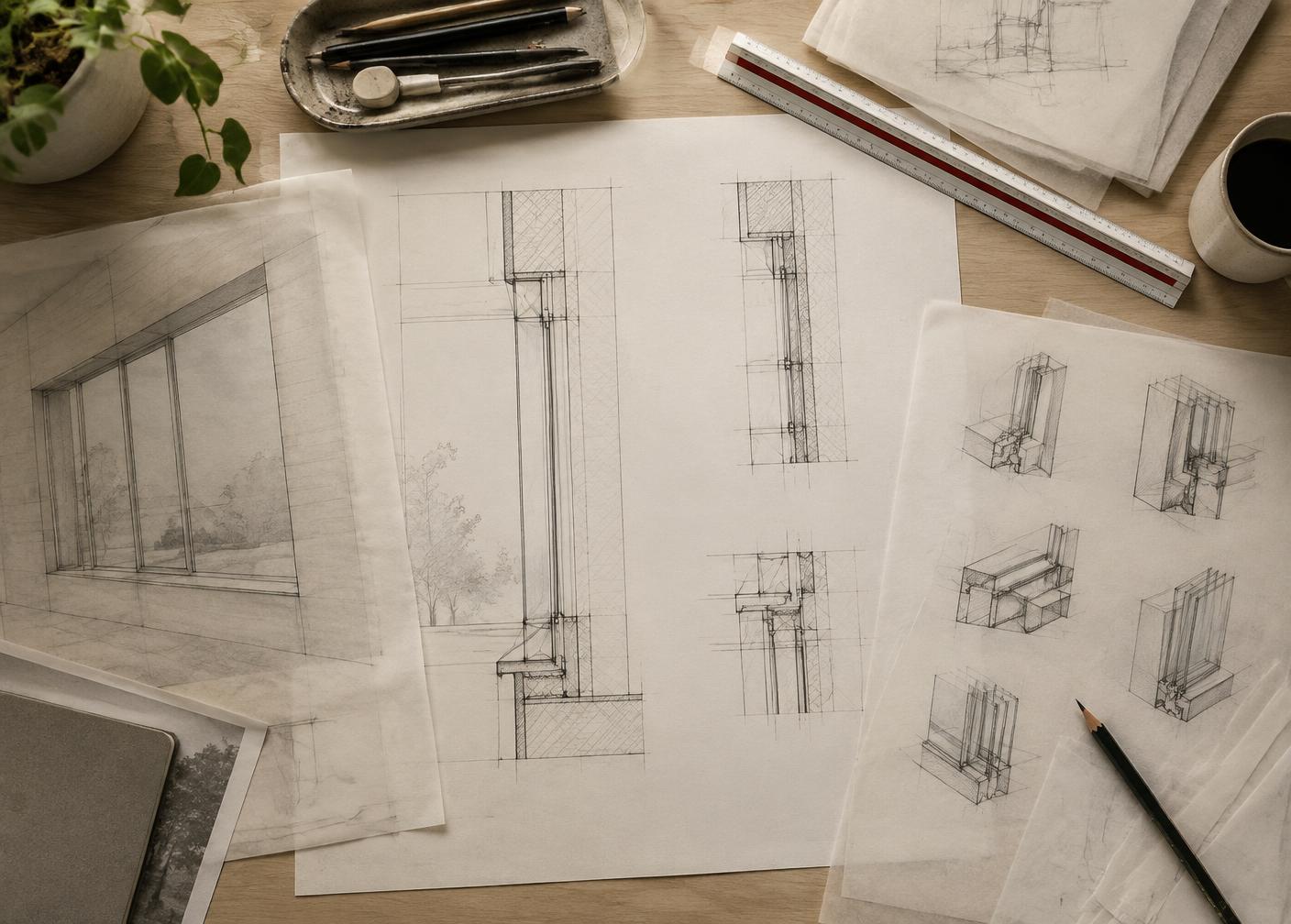
Make a side-by-side record of the tested assembly and the proposed assembly. A difference is a question for review; it is not automatically proof that a product is unsuitable or that the result can be transferred unchanged.
Read the result as written
Identify whether the report presents Rw, adaptation terms, combined ratings or frequency-dependent results. Keep signs and units intact. The Rw, C and Ctr guide explains the notation used in common acoustic rating summaries.
ISO 10140-2 concerns laboratory measurement of airborne sound insulation, while ISO 717-1 concerns rating. BS EN 12758 addresses glazing-product descriptions, properties and extension rules. The reviewer should check the applicable editions and clauses, rather than assuming that a standard name on a brochure resolves applicability.
Ask whether it applies to your window
| Review question | Record to request |
|---|---|
| Is the proposed construction the assessed construction? | Exact assembly description and differences |
| Do dimensions or opening arrangements differ? | Applicable test, assessment or extension basis |
| Are ventilation components included? | Component scope and operating condition |
| What is outside the report? | Exclusions, interfaces and installation assumptions |
| Who accepts applicability? | Named project reviewer and written decision |
Avoid accepting “equivalent” without a stated comparison basis. Where a change needs an assessment, identify who is competent to provide it and what information they require.
Finish the review before you order
Keep the requirement, supplier proposal, report reference, questions and written decisions together. Unresolved questions should remain visible in the window schedule and evidence template, with an owner and due date.
The decision should make clear what has been accepted and which site interfaces or verification activities remain outstanding. An accepted laboratory report does not itself confirm the quality of an installation that has not yet taken place.
Ask us about a report
If you are considering a Hugo Carter bespoke system, share the requirement and the assembly under discussion. Send a professional evidence enquiry. Avoid sending confidential third-party reports unless you have permission to share them.