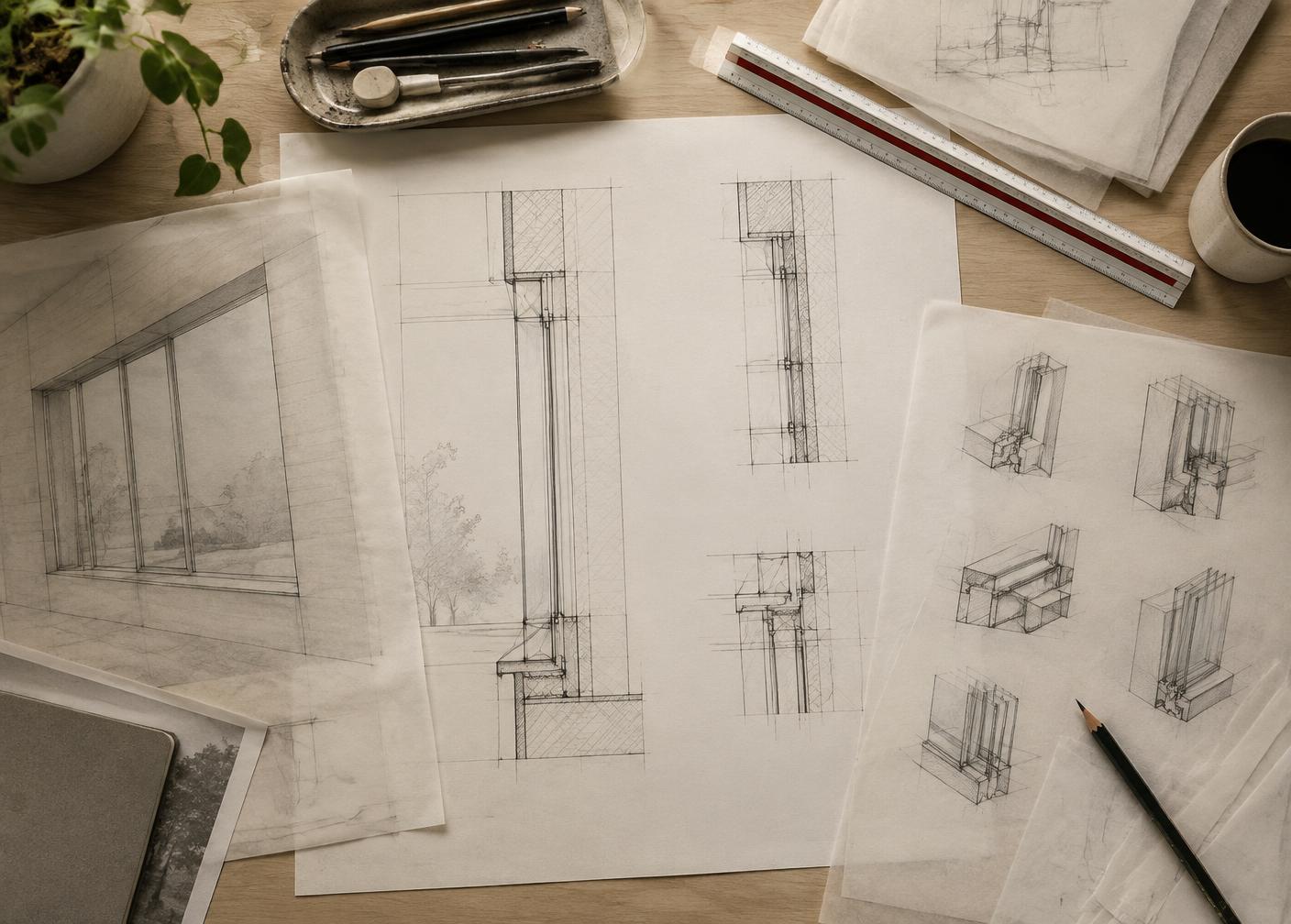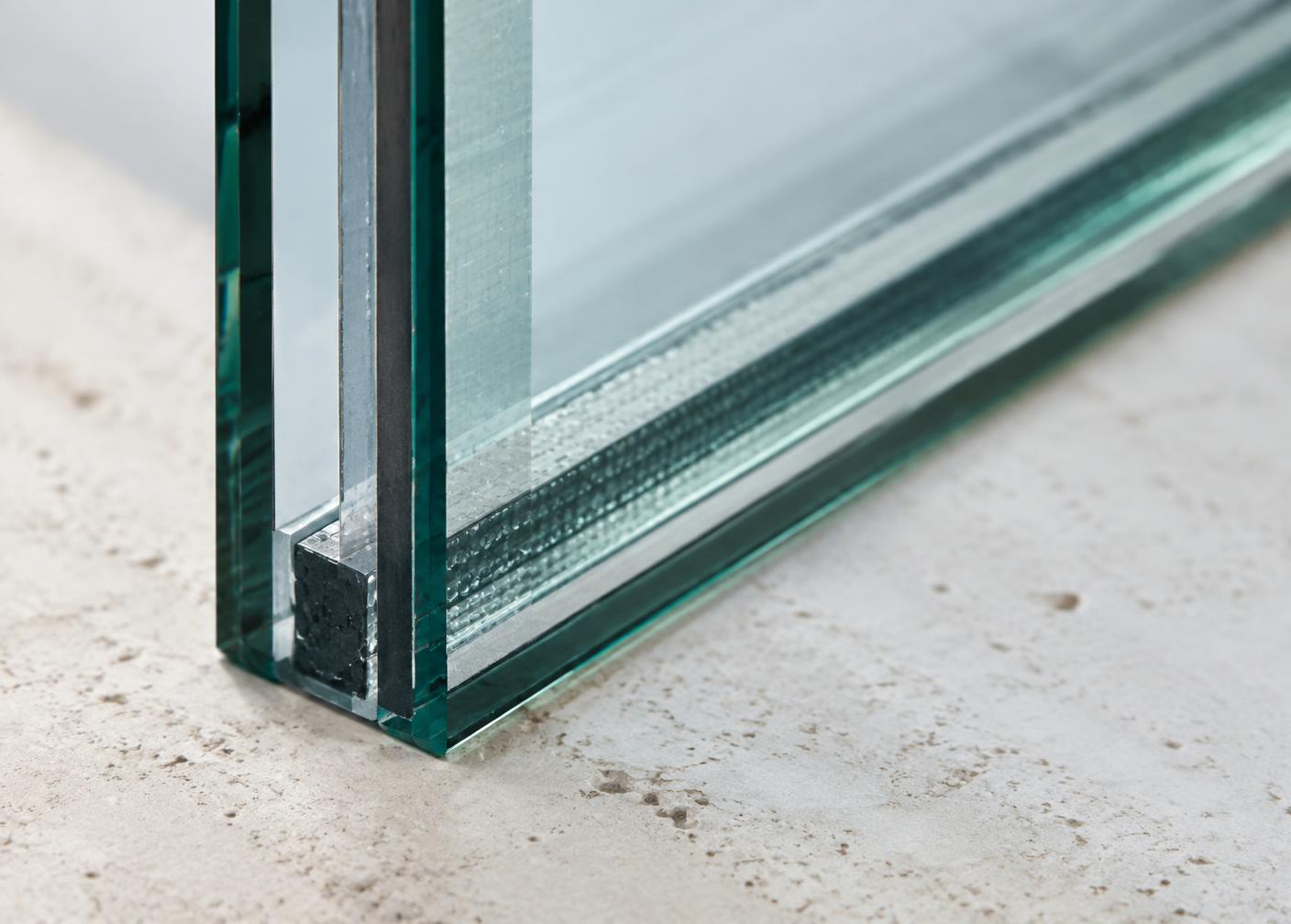
An acoustic window specification needs to say how the window will be used. A design tested with the window shut may need a separate check for when a vent or window is open.
Agree these conditions early with the acoustic, ventilation and overheating designers. The window supplier needs a coordinated brief, rather than separate requirements that assume different ways of using the building.
Know which guidance applies
Record the building use, location, work type and regulatory route. England’s Approved Documents F and O have defined scopes. They should not be applied as universal UK rules or as a single requirement for every refurbishment.
The government has published an Approved Document F edition for buildings subject to the 2026 standards, while earlier guidance remains relevant to other projects. The responsible designer should confirm which edition and transitional arrangements apply. Do not copy an edition number from an old assessment without checking it.
Describe how the building will be used
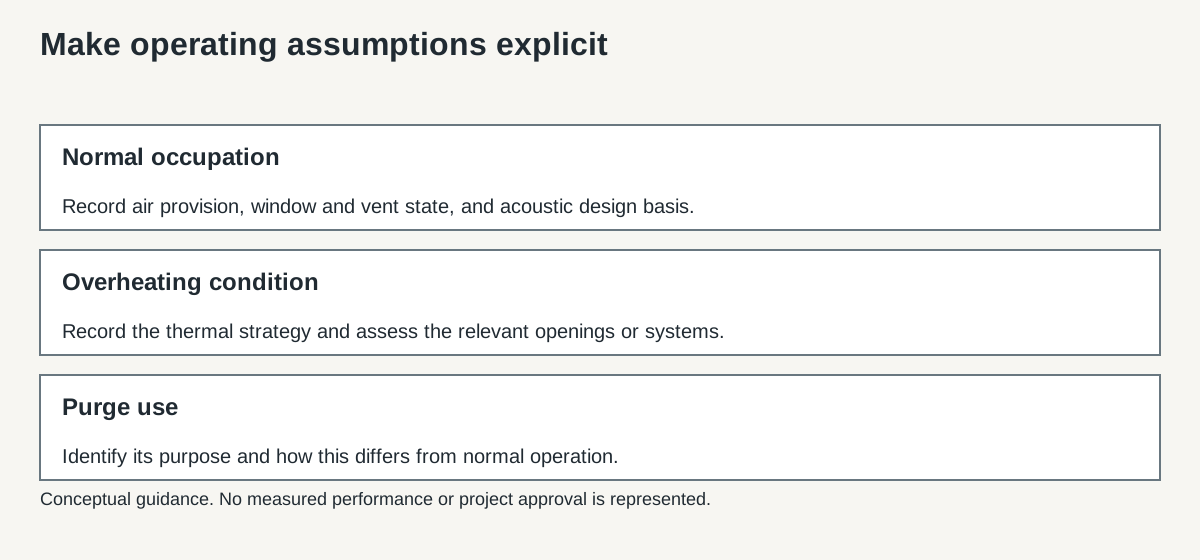
Normal occupation
Record the intended ventilation provision and the window position assumed when assessing internal acoustic conditions. Identify any vents, inlets or other openings that form part of the design.
Overheating mitigation
Record the proposed means of removing excess heat and when it is expected to operate. If the strategy depends on window opening, establish whether noise and the other usability constraints have been considered under that condition.
Occasional purge ventilation
Keep occasional purge use distinct from the ventilation and cooling assumptions used for normal occupation. The appropriate criteria and design checks should be set by the responsible specialists.
Record each way the window is used
| State | Window and vent position | Information owner | Decision to record |
|---|---|---|---|
| Normal occupation | Defined by the ventilation strategy | Ventilation designer and acoustician | Applicable acoustic requirement and air provision |
| Overheating condition | Defined by the thermal strategy | Building-physics designer and acoustician | Opening or system use and associated assessment |
| Purge use | Defined for its intended purpose | Ventilation designer | How this differs from normal operation |
Complete the record with the actual project conditions. The table is a coordination aid, not a set of default acoustic criteria.
Check every gap that lets sound in
Establish how ventilation components are assessed and whether their stated performance applies in the required operating state. Do not add a vent to an otherwise specified assembly and assume the original evidence describes the changed system.
Where several specialists are involved, record who checks the combined design and who resolves any conflict between proposed openings, sound insulation and thermal performance.
Keep a clear record of approvals
The tender brief should identify the agreed operating states, design assumptions and evidence required from the supplier. If the ventilation or cooling strategy changes, refer the acoustic specification back for review before ordering.
The ANC and IOA’s professional guidance provides useful context for noise and overheating coordination. Its publication date and assumptions still need to be considered alongside the project’s current regulatory route.
Read the architect’s specification workflow and record the decisions in the checklist.
Talk through the window details
Hugo Carter can review an enquiry about a proposed bespoke window system and the information available for it. Share your coordinated project brief. Project-wide acoustic and thermal design decisions remain with the appointed design team.