Specification
Acoustic window specification guides
Step-by-step guides for architects, hotels, heritage projects and developers, with checklists and templates to help you specify the right acoustic windows and avoid costly surprises.
For Architects · 3 min read
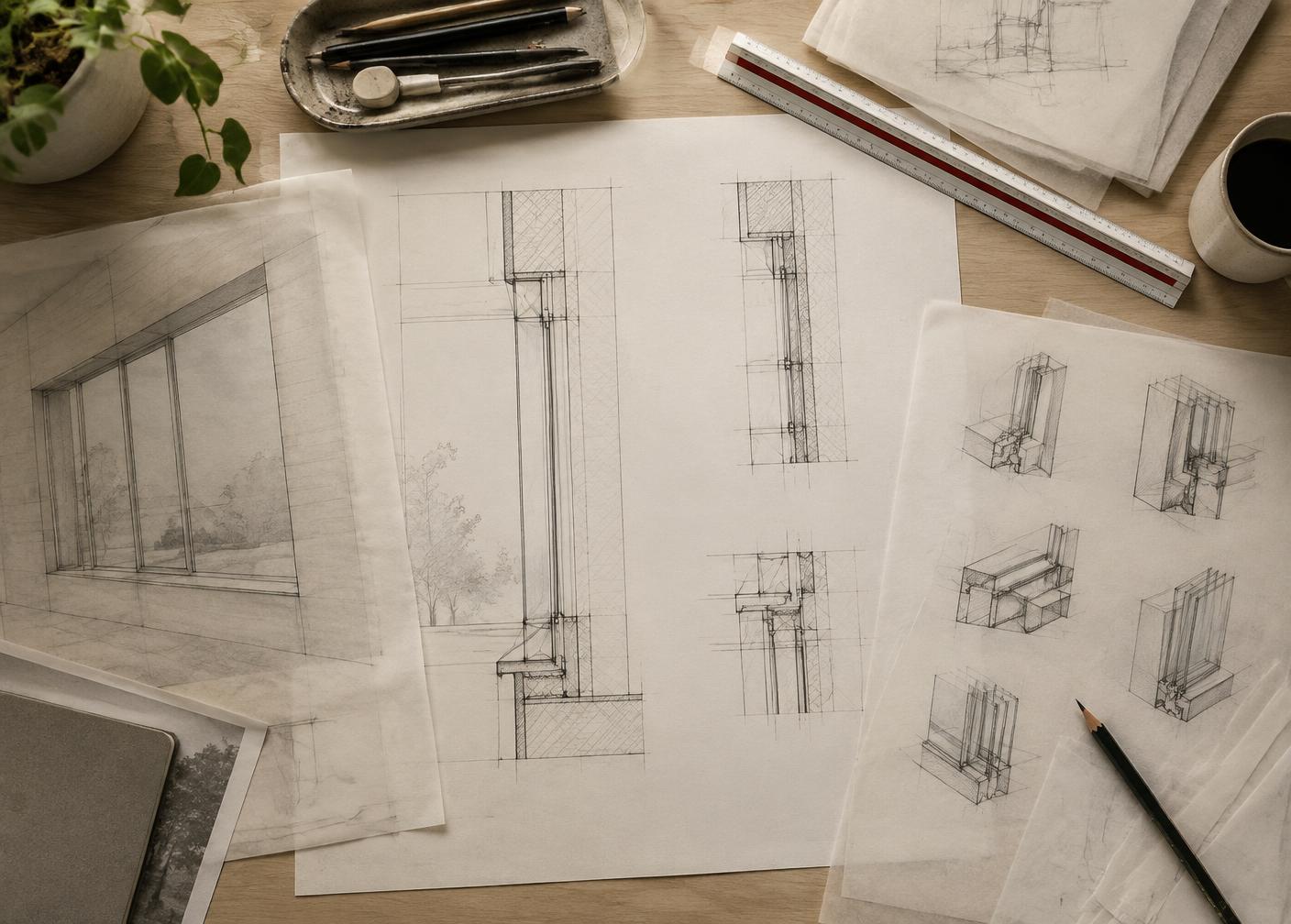
An architect’s guide to acoustic window specification
Write an acoustic window specification that everyone can follow, from a clear brief and coordinated ventilation to checking supplier evidence and managing late changes.
Read the guide
For Hotels · 3 min read
Plan acoustic window upgrades for hotels
Discover how to reduce noise in hotel rooms, choose the right acoustic windows and plan a smoother refurbishment, with practical advice to help you make confident decisions.
Read the guide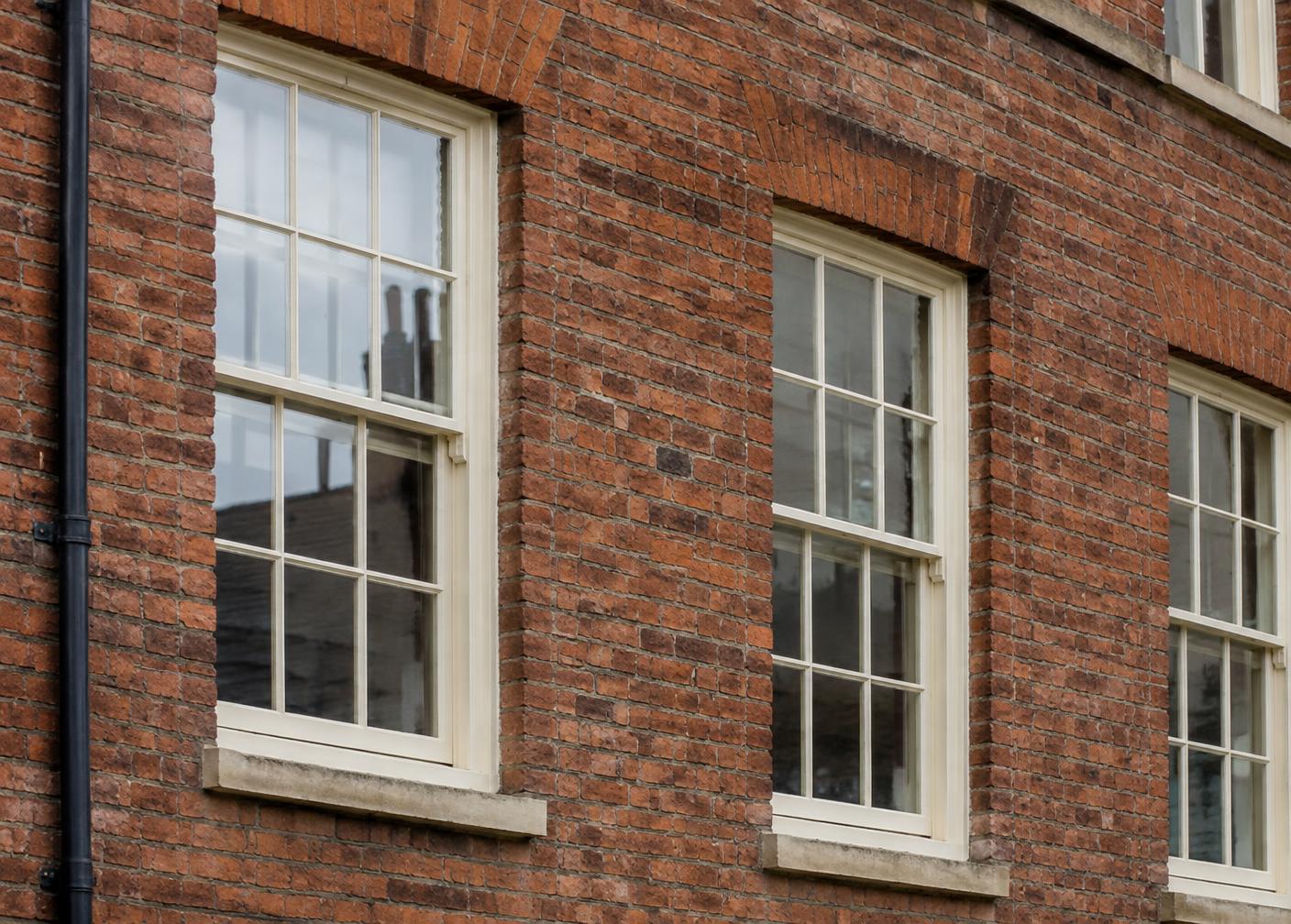
For Heritage · 3 min read
Specify acoustic upgrades for historic windows
Find out how to make historic buildings quieter while protecting their character, from repair and secondary glazing to permissions and keeping a clear record of decisions.
Read the guide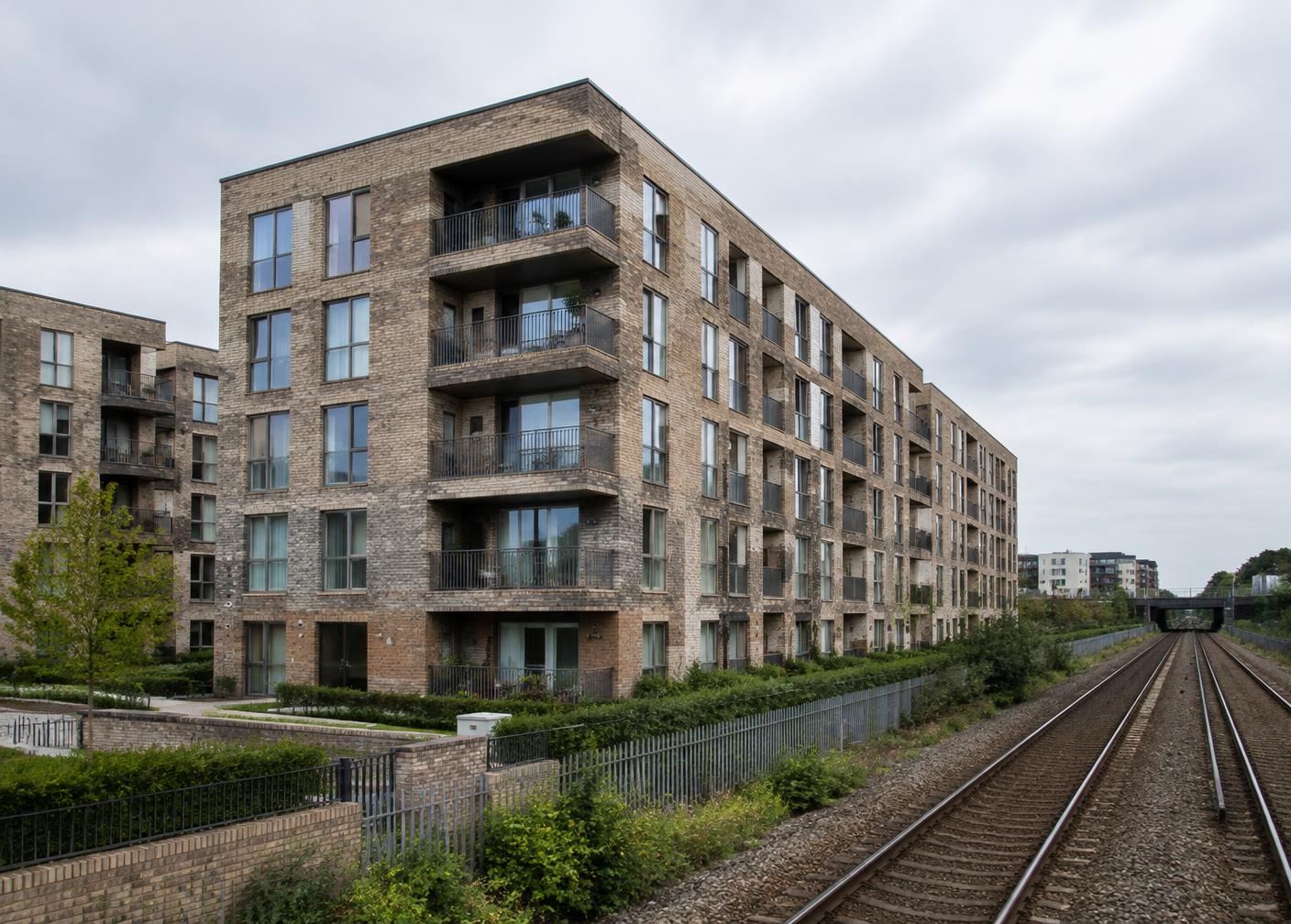
For Developers · 2 min read
From acoustic planning brief to window procurement
Keep acoustic requirements on track from planning to window order, so cheaper substitutes and late changes don’t put your planning conditions at risk.
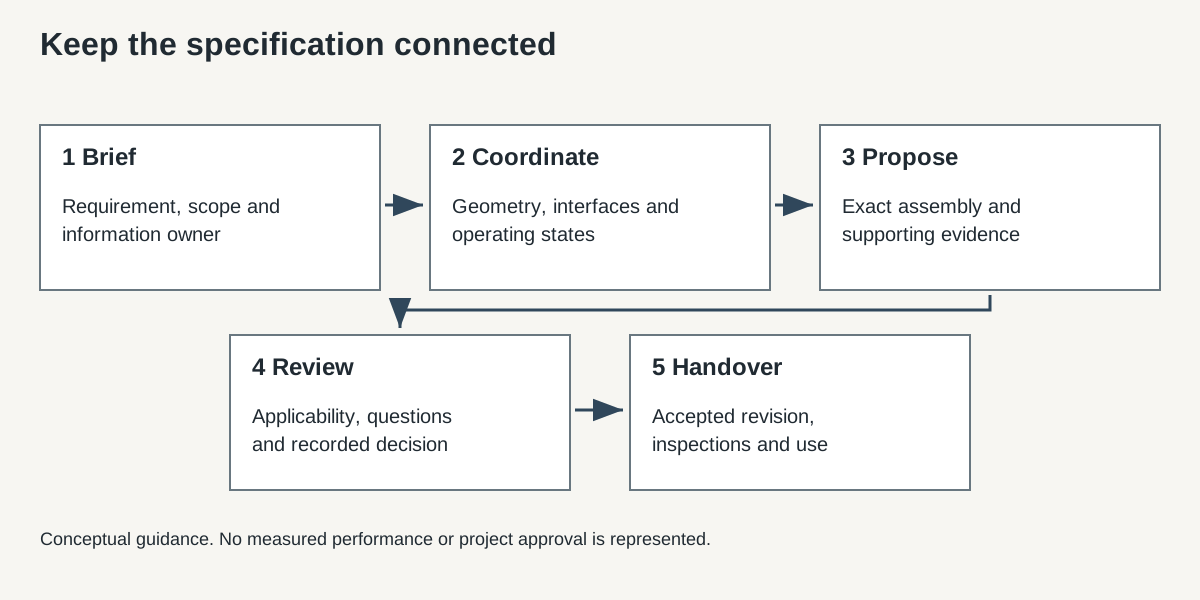
Read the guideA good specification links what the project needs to the window that is actually supplied and fitted. These guides help you keep that link clear from design through to handover.
Choose your guide
Architects and specifiers
Use the architect’s acoustic window guide to organise the brief, coordinate design responsibilities and request suitable supplier information.
Hotels and refurbishment teams
Use the hotel guide to organise room-level investigation, trial installations and an installation programme that accounts for occupied rooms.
Heritage and conservation projects
Use the heritage guide to consider significance, repair, retention and possible upgrades before deciding what to change.
Developers and design managers
Use the developer guide to carry acoustic requirements from a planning brief into tender evidence, substitution reviews and handover records.
Five questions to answer before you order
- What requirement applies, who set it and what is its basis?
- Does it refer to glass, a complete window or the installed facade?
- What window and ventilation operating conditions are assumed?
- What evidence supports the exact proposed configuration?
- Who will review interfaces, changes and verification before acceptance?
Record the answers in the specification checklist. Where different openings have different requirements, use the window schedule and evidence template.
Know who is responsible for what
The architect, acoustic consultant, ventilation designer, window supplier and installer each hold different information. A supplier can explain a proposed system and its evidence. The project design team remains responsible for agreeing requirements and assessing how the window relates to the building.
Assign an owner to each unresolved question. “To be confirmed” should have a named action and a decision date, rather than becoming an unnoticed assumption in an order.
Already have a proposal?
If a quotation is already available, check its scope against the brief. Read the test-report guide and mark any differences in dimensions, construction, opening arrangement or ventilation. Ask for a written explanation of how those differences are supported.
Ask Hugo Carter about a bespoke system
Share the project stage and the documents available, even if the specification is still developing. Send a professional project brief so the enquiry can be reviewed by the appropriate team.