Road, rail and aircraft noise each behave differently, but knowing the source alone isn’t enough to choose a window. Start with what is happening around the site and how the building will be used.
This guide helps professional teams prepare the information for an acoustic brief. It does not select a glazing construction from a generic external noise level.
Gather information about the noise and the building
Record the affected elevations, room uses, times of concern and any existing survey or assessment. Identify proposed changes to layout, facade construction, ventilation or operation that could affect the design assumptions.
Ask the project acoustician what measurements, metrics and frequency information are needed. Keep the survey reference and assessment conditions with the brief.
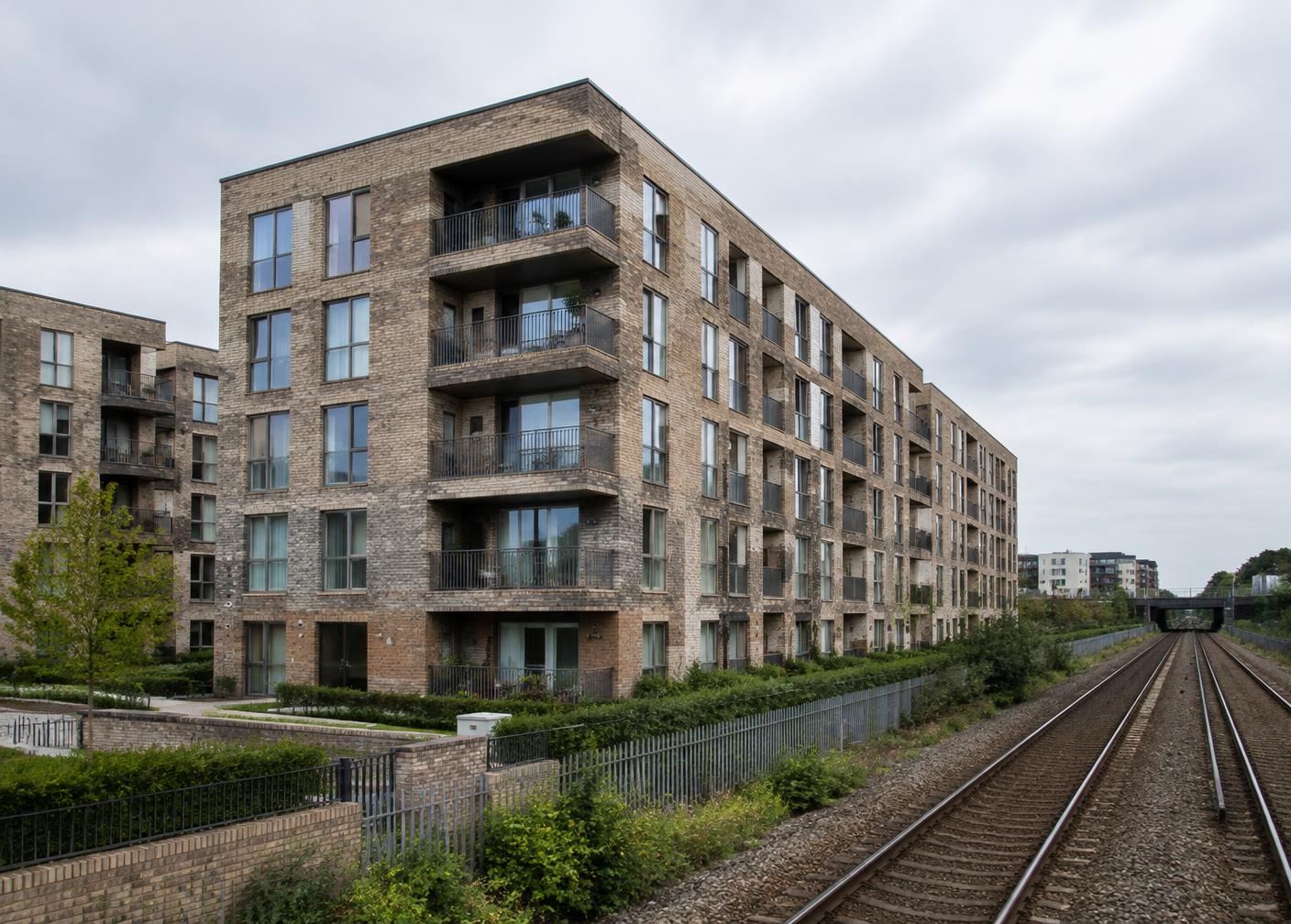
Road traffic
The description “road noise” may cover different mixes of vehicle activity and patterns over time. Record the road relationship to the building, the rooms affected and the operating periods relevant to the project.
Do not use a generic statement about traffic to decide which adaptation term or product figure is sufficient. The acoustic assessment should support that decision.
Railways
Record the relationship of the railway to the site and the type and timing of the reported disturbance. Ask the acoustic adviser to distinguish airborne noise from any vibration or other issue that would require a different investigation.
A window specification should not be presented as a solution to a building-vibration problem without suitable assessment.
Aircraft
Record the rooms affected, event pattern and the relevant building paths. Consider the facade, roof and ventilation alongside the windows as part of the project assessment.
Avoid assuming that a particular glass construction is suitable simply because it is described as intended for aircraft noise. The report and project conditions need to support the proposal.
Turn the assessment into a clear brief
| Brief item | Information to preserve |
|---|---|
| Source assessment | Report, date, assessed conditions and relevant metrics |
| Building context | Rooms, elevations, geometry and other paths |
| Required performance | Quantity, scope and person setting the requirement |
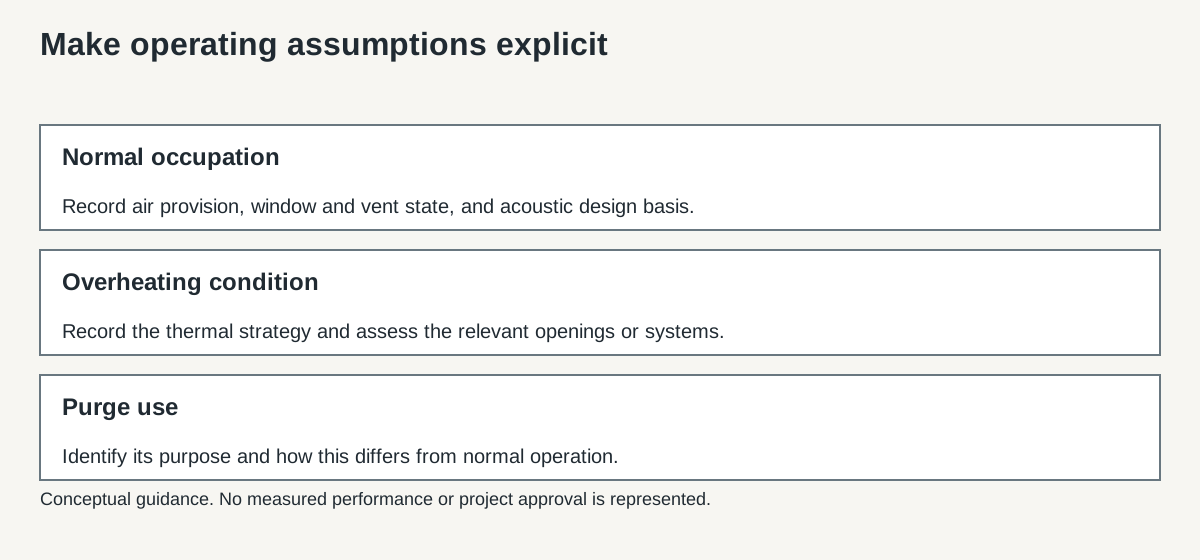
| Operating state | Window, vent and cooling assumptions |
| Evidence review | Proposed assembly, report and applicability decision |
The specification checklist and window schedule template provide working records for those details.
Think about the whole building
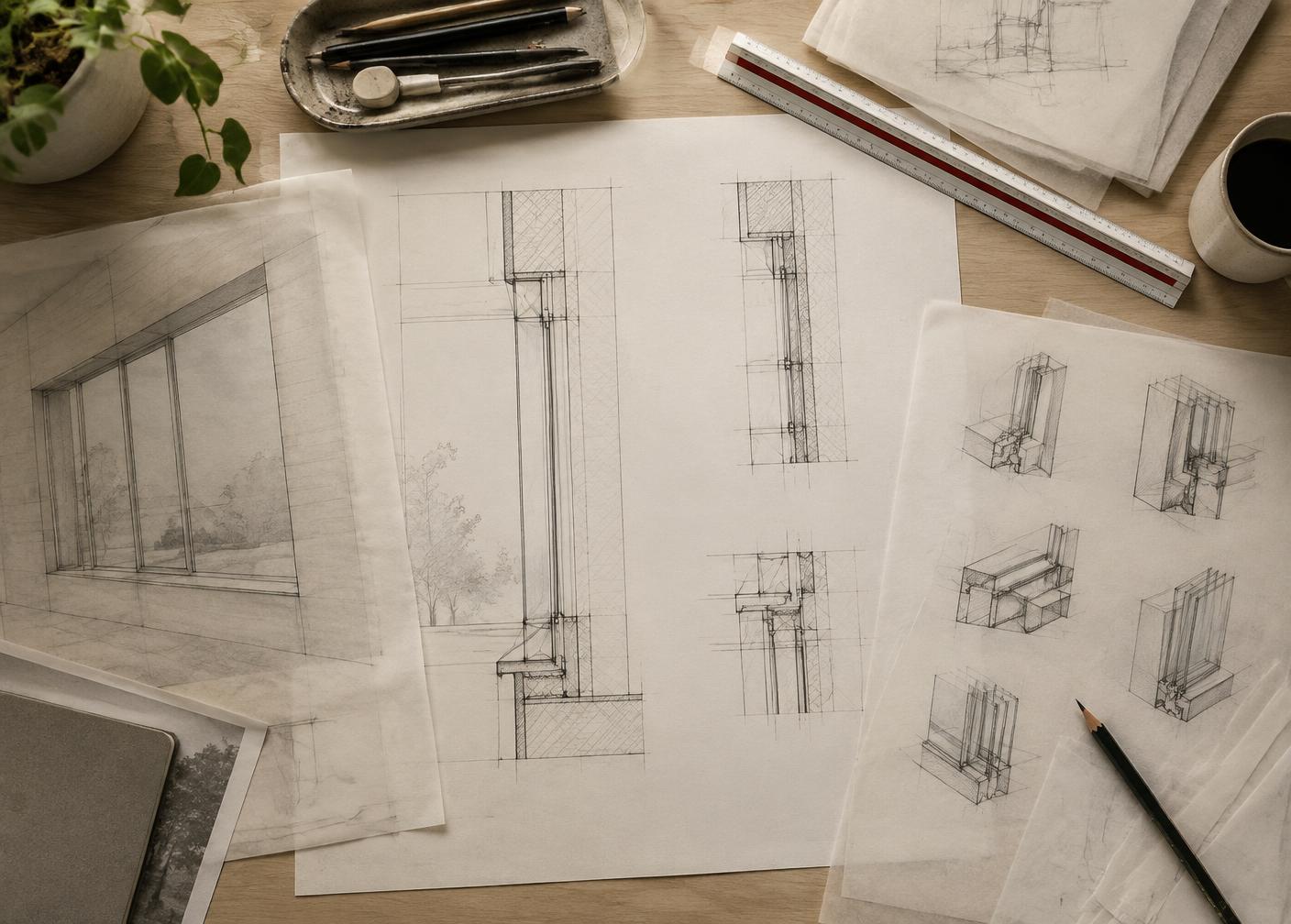
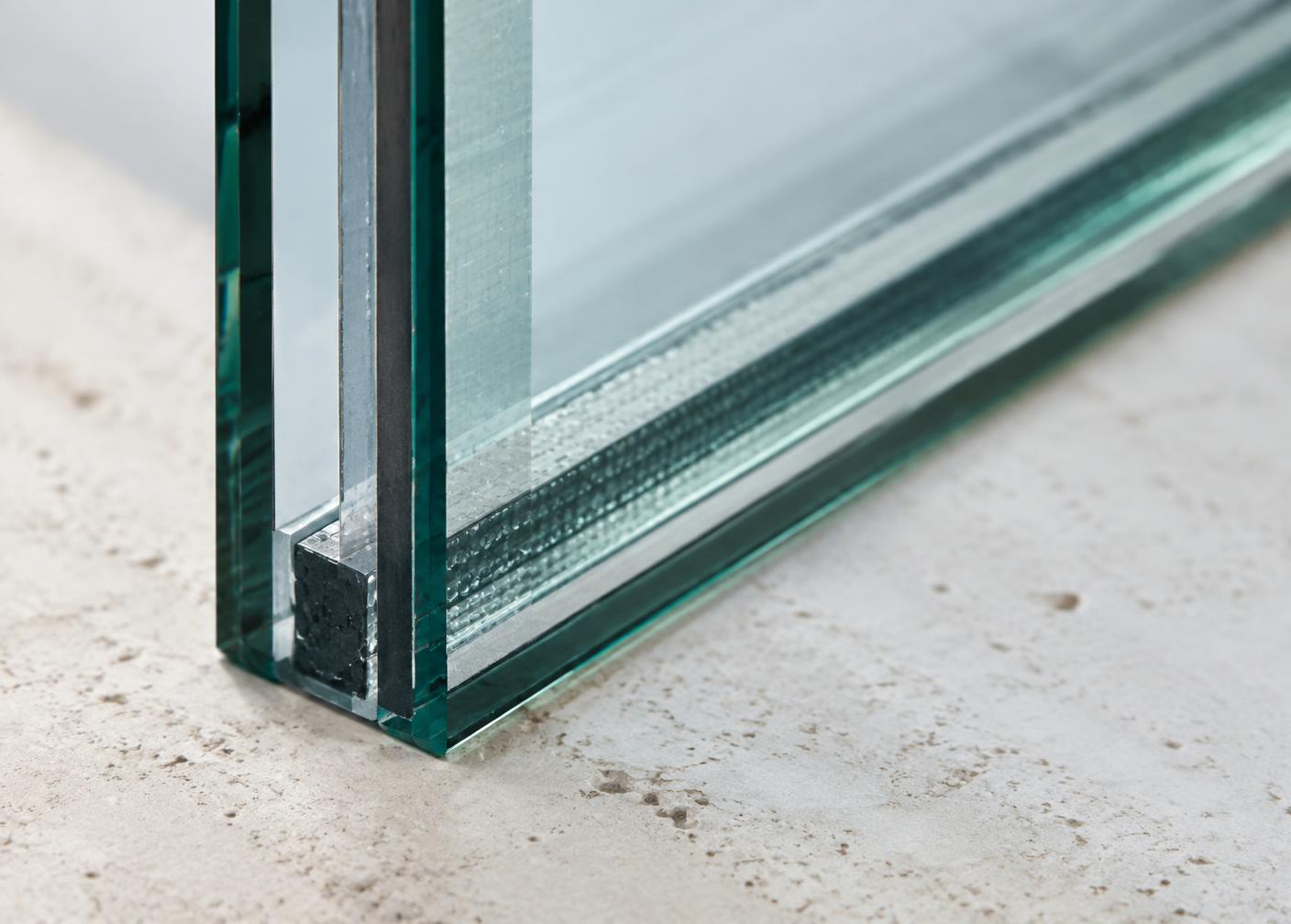
Check the distinction between glass, window and facade performance. Coordinate any assumptions about ventilation and overheating. Other significant sound paths should remain visible in the design discussion even when the procurement package concerns windows.
Get help with your project
Send a professional brief to Hugo Carter, including the site location, project stage and any existing acoustic requirement. You do not need to guess a target rating to start the enquiry. State what is known and which questions are still with the design team.