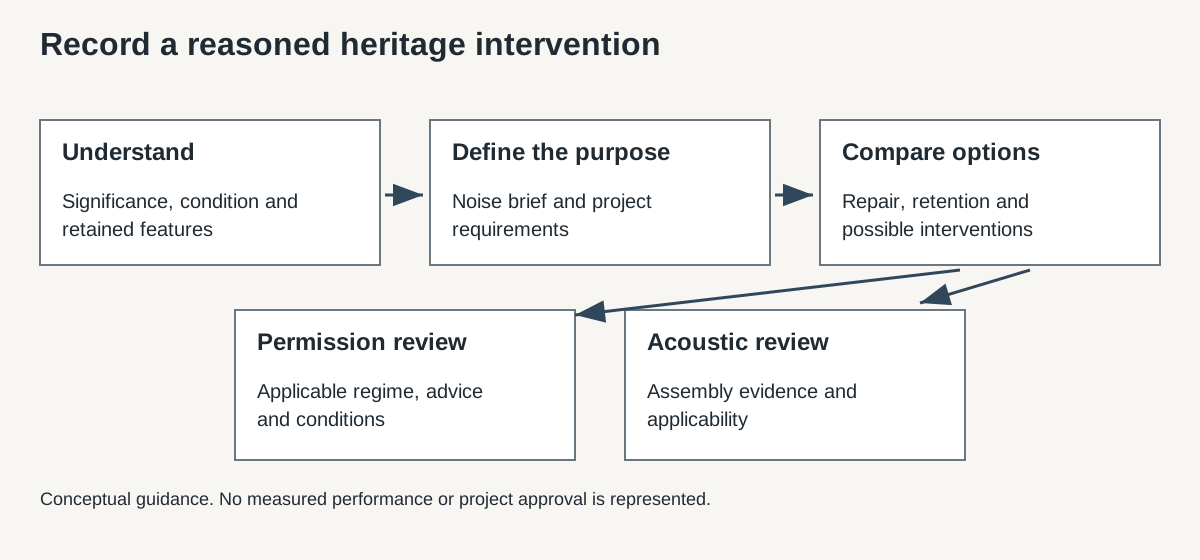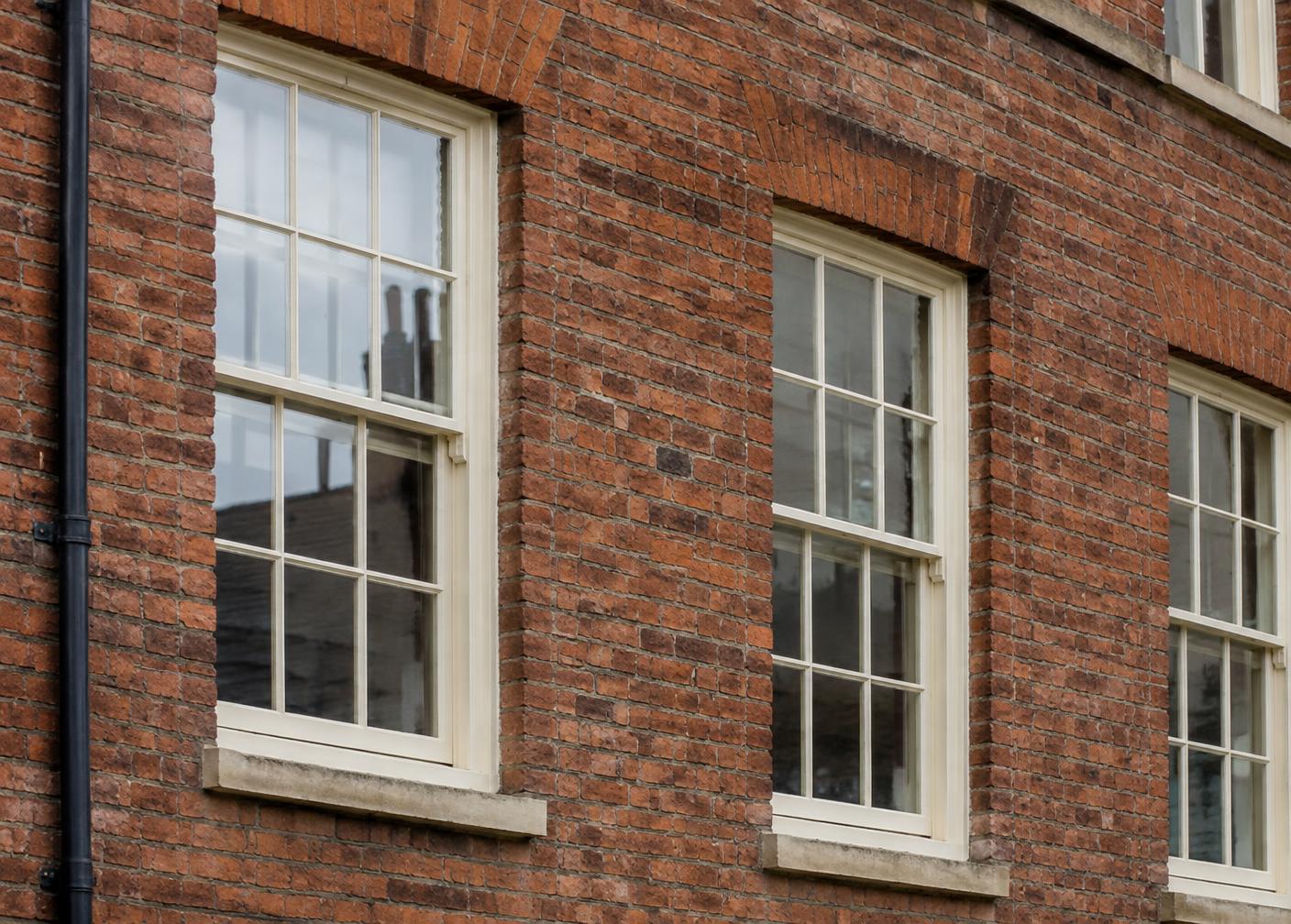
Start any acoustic upgrade to historic windows by understanding what should be kept and why. The right approach depends on the building’s significance, its condition, how it is used and where the noise comes from.
This guide helps conservation architects, heritage advisers and property teams prepare an acoustic brief. Permissions and technical decisions must be checked for the individual building and jurisdiction.
Understand the windows before changing them
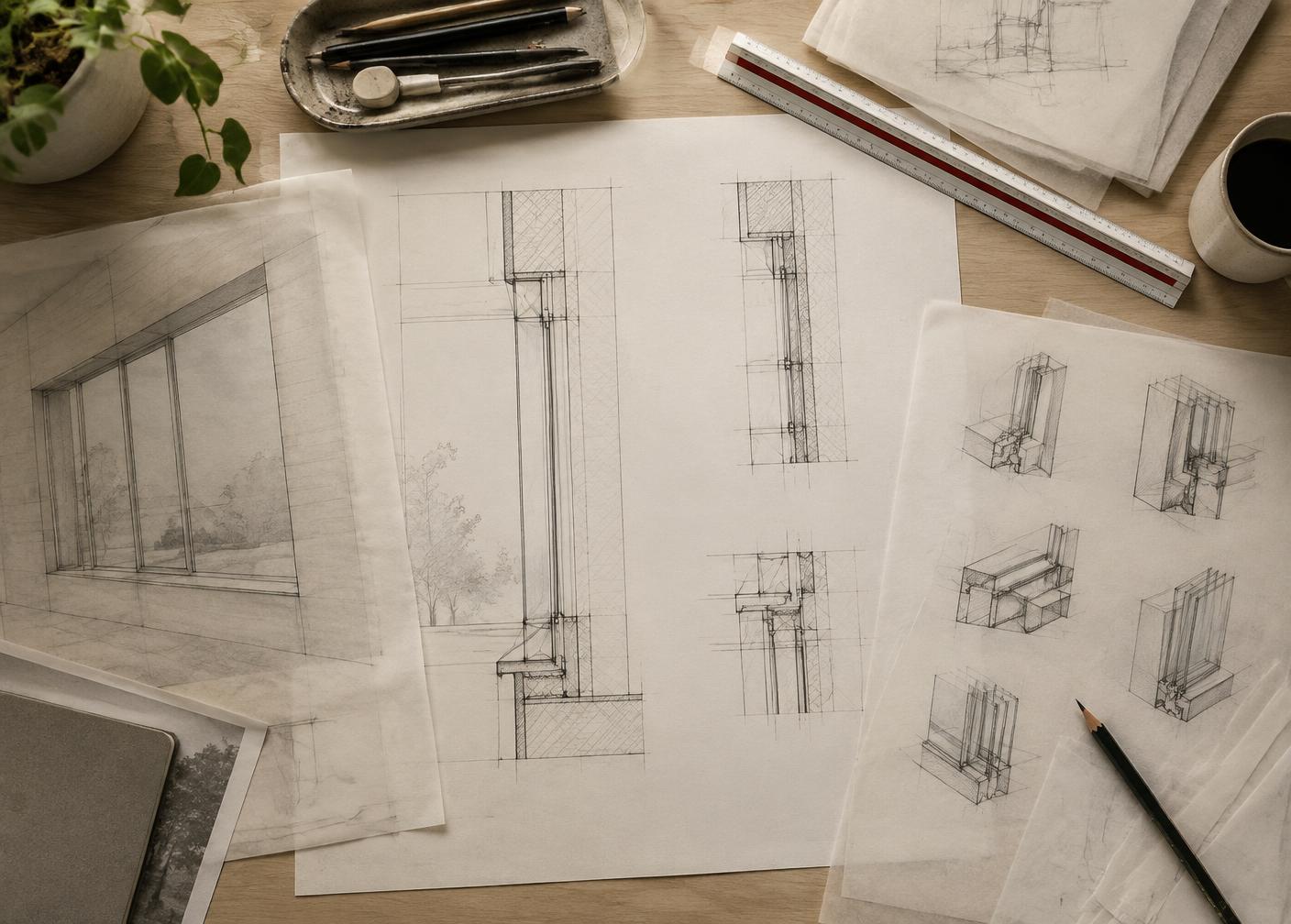
Record the age and character of the windows, their glazing, frames, fittings and relationship to the elevation and interior. Identify significant glass, joinery, shutters, finishes and details that could be affected.
A condition survey should distinguish deterioration that can be repaired from constraints that require a different approach. Existing windows should not be assumed to require replacement simply because the building has an acoustic problem.
Find out where the noise gets in
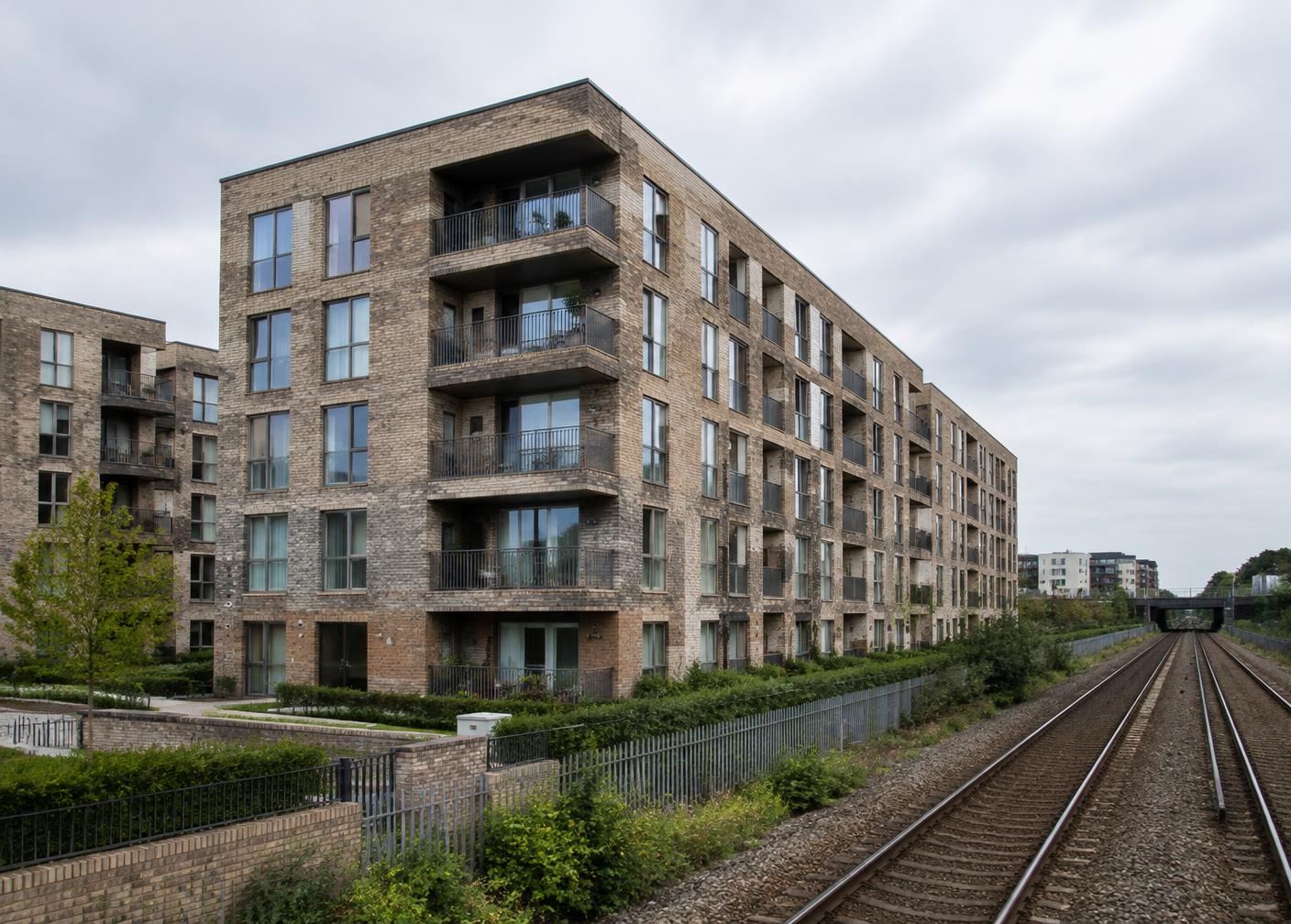
Record the affected rooms, times and noise sources. Ask the acoustic adviser what survey or other evidence is needed to establish the problem and a suitable project brief.
Consider the window alongside other facade and building paths. A proposed change should have a clear purpose, rather than being selected from a general “soundproof” label.
Compare keeping, repairing and upgrading
Repair and operation
Assess the condition and operation of the existing assembly. Record what repair or maintenance can achieve and what remains unresolved. Do not attribute an unmeasured acoustic improvement to a maintenance action.
Secondary systems
Historic England’s guidance discusses secondary glazing as an approach that can retain original windows. Feasibility still depends on design, significance, access, moisture considerations and the way the room is used.
Replacement or other alterations
Where alteration is proposed, explain why it is needed and how alternatives have been considered. Review profiles, sightlines, materials, glass, finishes and interfaces with the appropriate conservation adviser.
Record your conservation decisions
| Topic | Information to bring together |
|---|---|
| Significance | Features to retain and the basis for that judgment |
| Condition | Survey findings and repair options |
| Acoustic brief | Project requirements and supporting assessment |
| Proposed intervention | Drawings, materials, interfaces and operation |
| Reversibility and access | Effect on fabric, cleaning, shutters and maintenance |
| Permissions | Applicable regime, local advice and decision status |
Use the heritage decision pack to record the questions, options, reasons and responsible reviewers. A recorded preference is not an approval to carry out work.
Check which permissions you need
Listed-building and planning requirements depend on the building, work and location. Local orders or policies should not be generalised to other places. Seek advice from the relevant authority or an appropriately qualified adviser before proceeding.
Keep the permission decision separate from the acoustic evidence decision. A technically supported system may still need conservation or planning approval, and permission does not establish acoustic performance.
Make old and new windows work together
Record how both systems will operate, how staff or occupants will gain access, and how ventilation and moisture risks will be considered. Review the room-side impact as carefully as the external appearance.
Read the professional comparison of glazing approaches and check the scope of acoustic evidence.
Talk through your project
Send a heritage project brief to Hugo Carter, including the location, designation if known, stage, existing window information and the advisers involved. Share drawings or reports only where you have permission to do so.