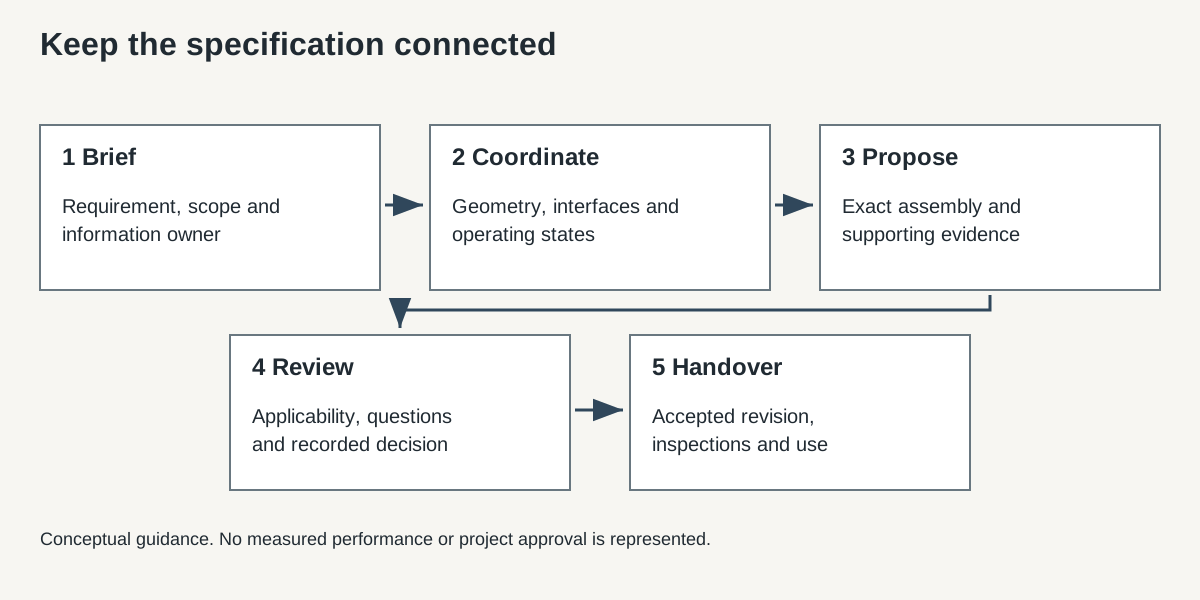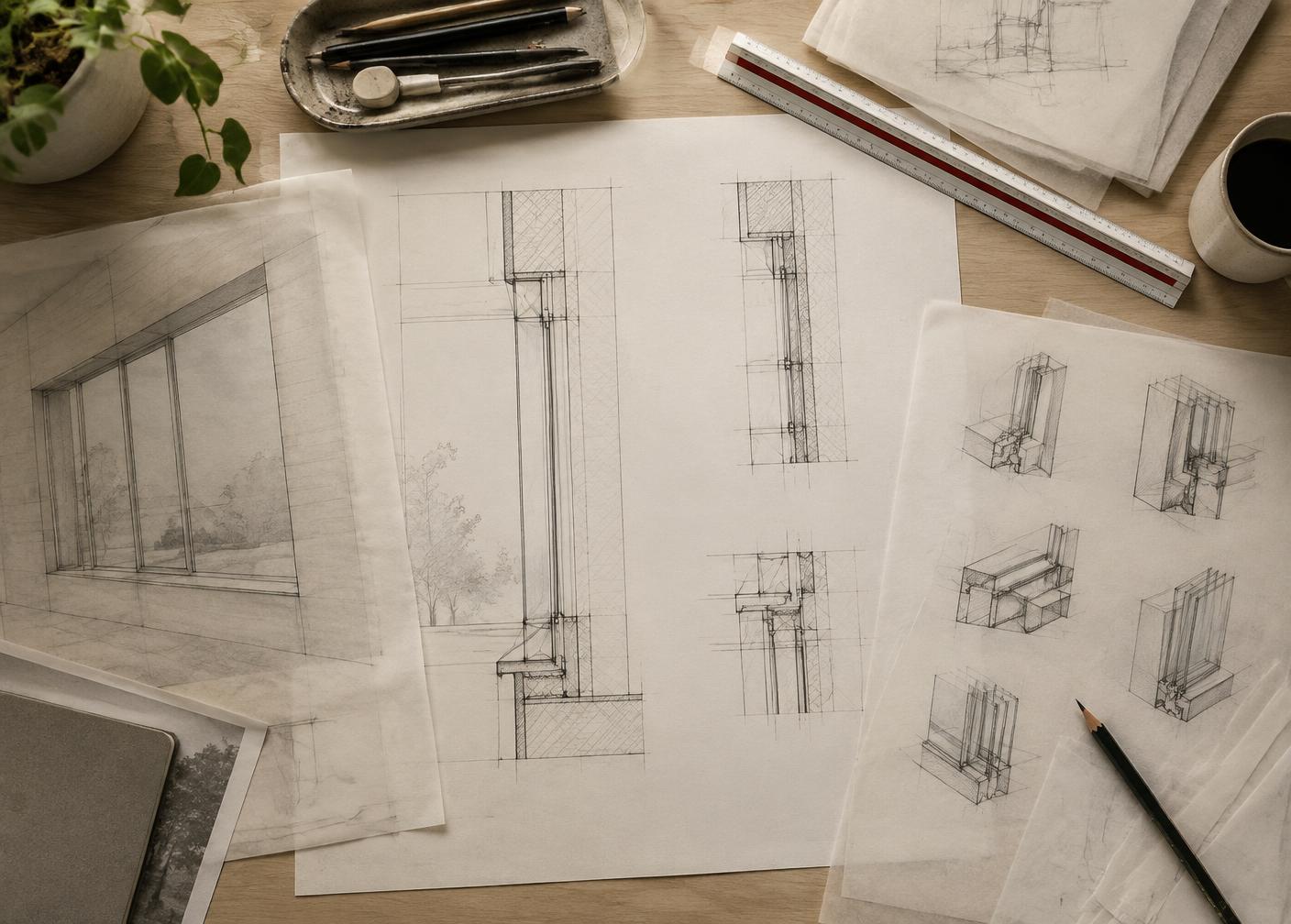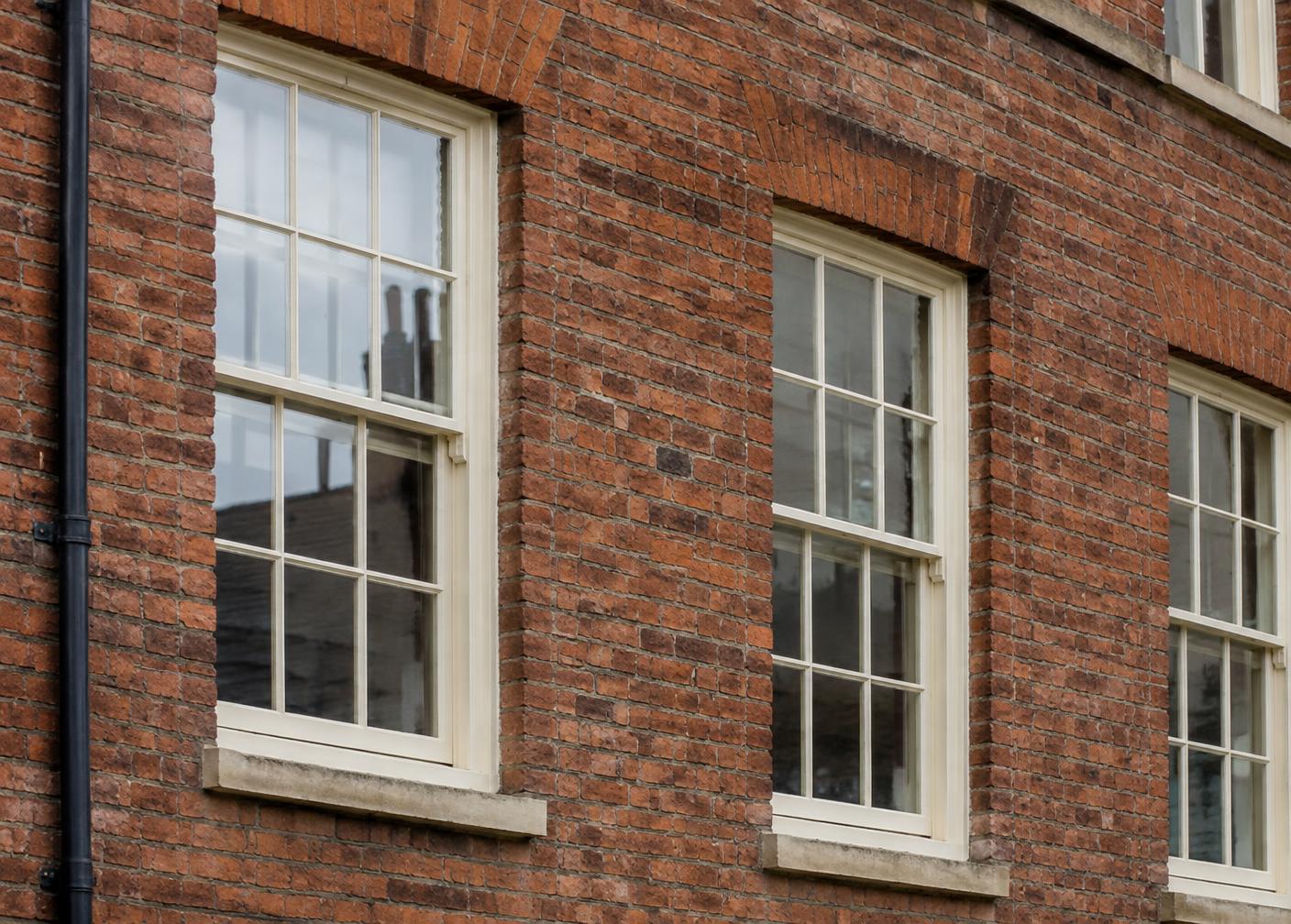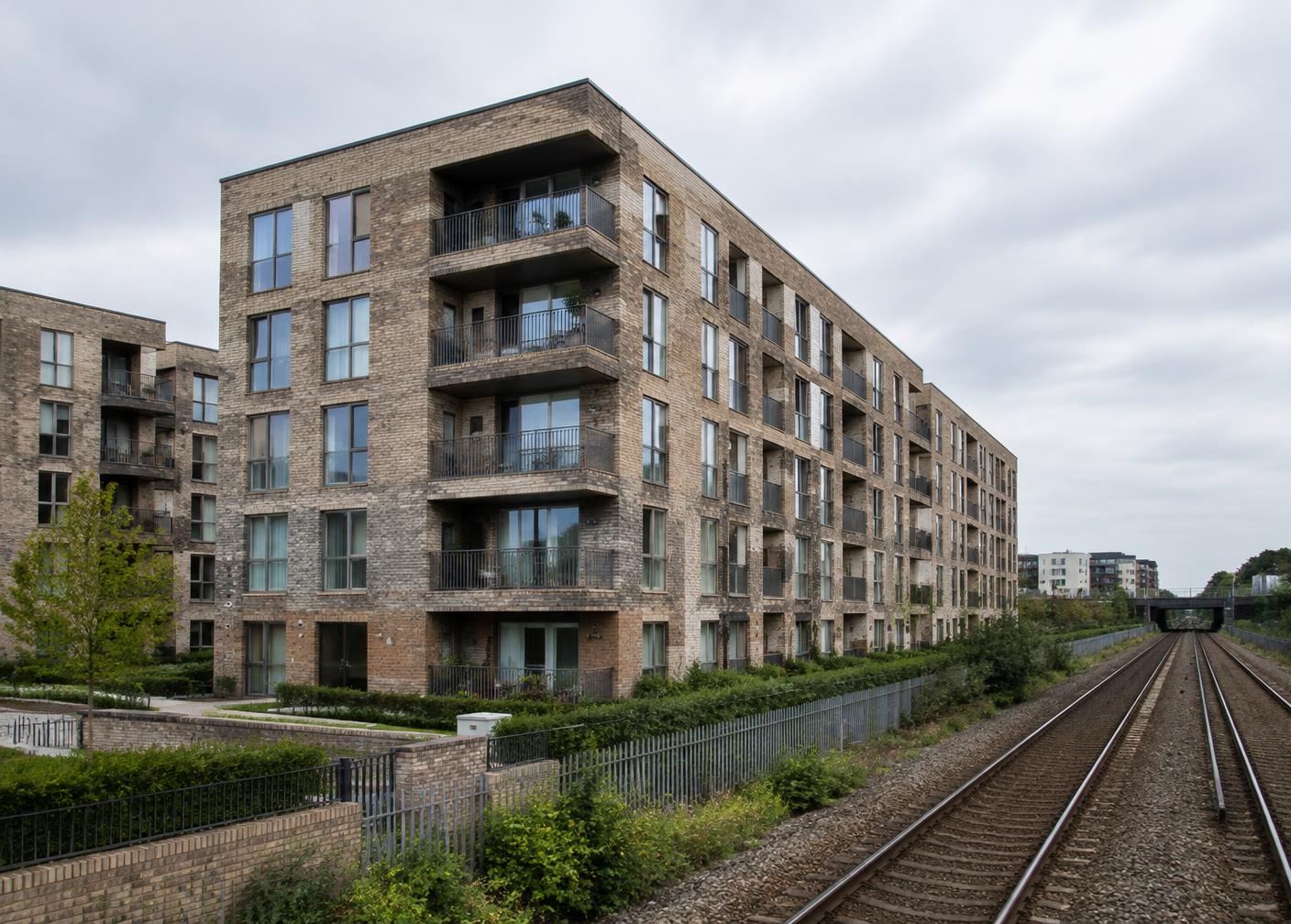
The acoustic requirements agreed at planning need to survive all the way to the window order. Developers and design managers can make that easier by keeping requirements, proposed windows and approvals in one shared record.
This guide covers the information handover from assessment to procurement. The wording and discharge of a planning condition require project-specific advice.
Understand the planning condition
Obtain the relevant decision, condition wording, acoustic report and subsequent correspondence. Identify whether a document states a design objective, an evidence requirement, an installation requirement or a verification step.
Ask the appointed consultant to resolve ambiguities. Do not translate an internal room criterion into a product rating by simple subtraction, or ask a window supplier to infer the design method from a short condition extract.
Make the brief specific
Record the required quantity, affected rooms and elevations, operating conditions and the project assessment basis. Identify the relevant planning and building-regulation routes without treating them as the same approval process.
The performance-scope guide helps distinguish a glass value, a complete-window requirement and facade performance. The ventilation guide helps align operating assumptions.
Ask for the right evidence at tender
| Schedule field | Procurement purpose |
|---|---|
| Stable Window ID | Connect drawings, quote, evidence and installation |
| Requirement and basis | Show what has to be assessed and who set it |
| Proposed assembly | Identify the system being priced |
| Supporting evidence | Record report, revision, scope and applicability |
| Interfaces and exclusions | Expose work outside the supplier’s stated scope |
| Acceptance decision | Record the reviewer, conditions and approved revision |
Use the window schedule and evidence template. Keep the requirement and the supplier’s offered value in separate fields so that an unresolved difference stays visible.
Check alternatives before accepting a saving
A proposed substitution should identify what has changed and the evidence supporting the alternative. Request a comparison of the relevant construction, dimensions, opening arrangement and ventilation state.
Refer it to the responsible reviewer before placing the order. An alternative product description or headline rating alone is not a complete equivalence assessment.
Protect the agreed design on site
Give the supplier and contractor an identifiable accepted schedule and interface details. Agree the change process, inspection records and any required project verification. Where a site change affects the assembly or its interfaces, record it and obtain the appropriate review.
Keep delivery and installation records linked to Window IDs. At handover, include the accepted evidence, operating information and outstanding actions, rather than relying on a collection of unlabelled attachments.
Send us a clear enquiry
Send a developer project brief to Hugo Carter. Include the location, work type, design or procurement stage, approximate scope and the consultant-set requirement if it is available.
If the acoustic brief is still being developed, say so. The first useful step may be to identify what information the supplier can provide and which design questions need resolving elsewhere.